Basketball Club Teams in San Diego and the Future of Youth Sports
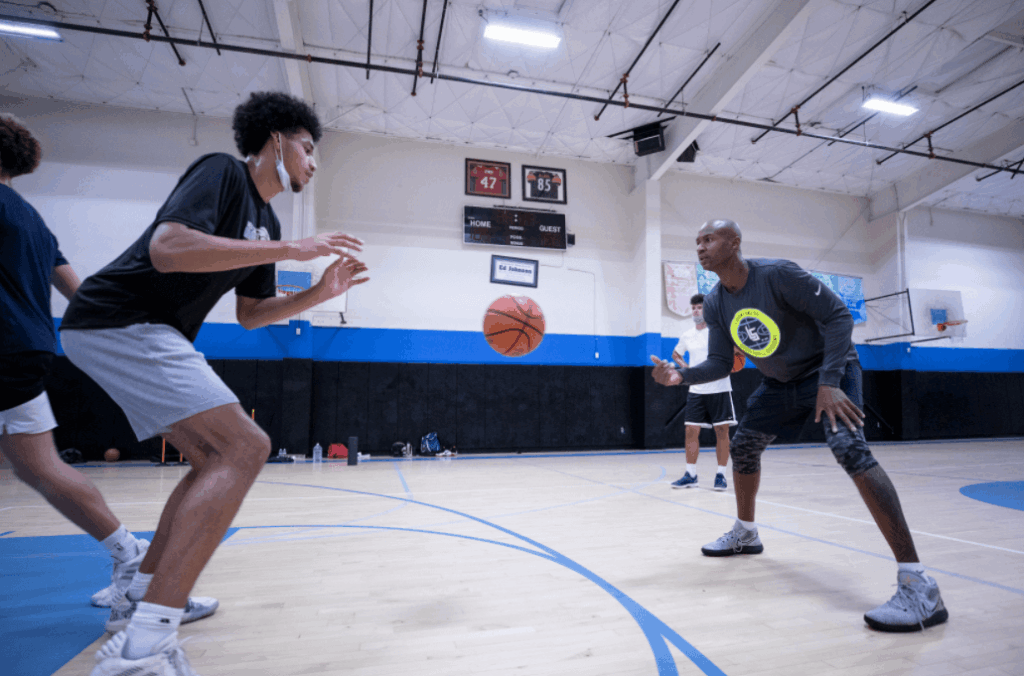
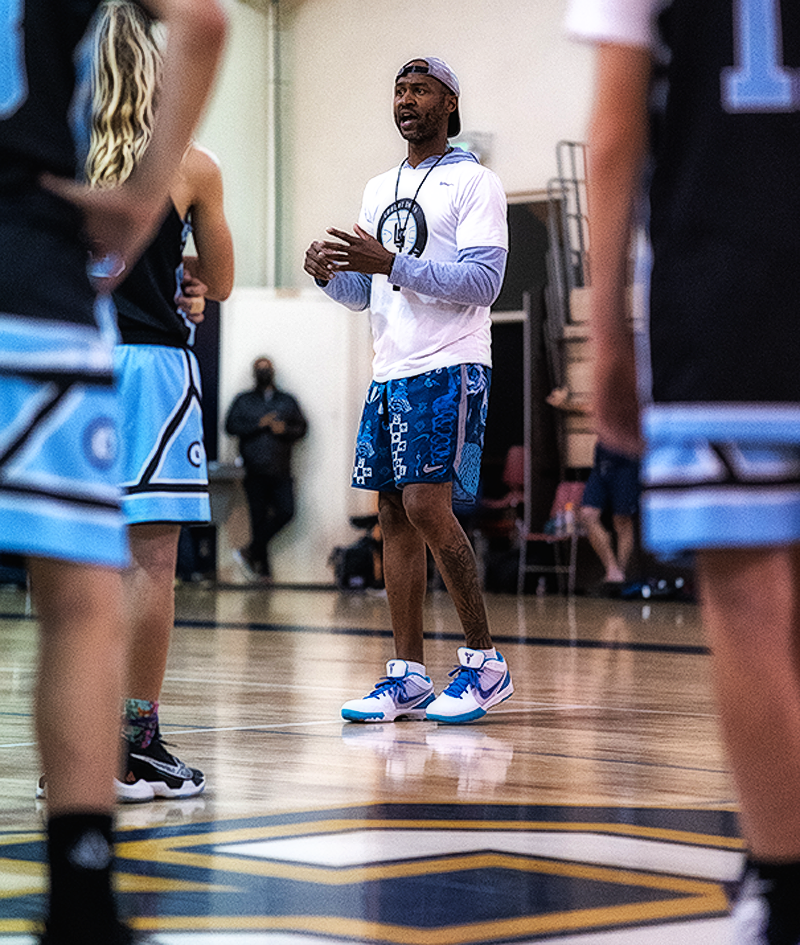
San Diego has always been a city that takes youth sports seriously. The weather helps, the population keeps growing, and families here tend to value activity, structure, and competition. Soccer and baseball often get the first mention, but basketball has been building its own powerful ecosystem for years. You can see it in packed weekend gyms from Chula Vista to Carlsbad, in early morning skill sessions before school, and in the way parents now talk about training, schedules, travel, and recruiting with a level of sophistication that barely existed a generation ago.
The rise of basketball club teams in San Diego says a lot about where youth sports are headed. Club basketball has become more than an extra season. For many families, it now functions as a parallel development system, one that can sharpen skills, expose players to stronger competition, and open doors that local recreational leagues rarely can. At the same time, it has introduced harder questions about cost, burnout, access, and what healthy athletic development should actually look like.
Those tensions matter because club sports are no longer a niche. They are shaping how young athletes train, how coaches teach, and how families spend time and money. If you want to understand the future of youth sports, San Diego basketball is a good place to start.
Why club basketball took hold in San Diego
Part of the answer is simple. Basketball fits modern family life better than some sports do. A player can train in a driveway, at a public park, or in a small gym. Skill work is measurable and visible. Parents can see progress in ball handling, shooting form, footwork, and court awareness in a matter of months if training is consistent. That makes basketball particularly appealing in a culture that values development.
San Diego also sits in a useful geographic corridor. Players here are close enough to Orange County, Los Angeles, and the Inland Empire to access major tournament circuits without needing cross-country travel every month. Arizona and Nevada are reachable for larger showcase events. That means club teams can promise meaningful competition and exposure while still staying within a manageable regional footprint for much of the year.
Another factor is the changing role of school basketball. High school programs remain important, and strong coaching at the school level still matters, but families increasingly understand https://alexisgvzr667.hexaforgey.com/posts/basketball-club-teams-in-san-diego-with-a-strong-team-culture that the school season alone is not enough to maximize development. A typical high school season is relatively short, with practice priorities shaped by team results rather than individual improvement. Club basketball fills the gap. It gives players more reps, more games, and more specialized coaching.
There is also a cultural shift at work. Parents today are more comfortable investing in experts. Ten years ago, plenty of athletes simply played their sport. Now they often have a skills trainer, a strength coach, a recovery routine, and video clips from games by middle school. Basketball club teams in San Diego have grown in part because they fit neatly into that broader performance mindset.
What families are really buying when they join a club team
Families often say they are paying for better competition, and that is true, but competition is only one part of the product. A credible club program usually offers several things at once: structure, identity, accountability, and a development environment that feels serious.
For a young player, that matters. Kids respond when they feel they are part of something with standards. A well-run club program creates expectations around attendance, communication, effort, and preparation. Players start to understand that talent gets noticed, but reliability earns trust. That lesson translates far beyond basketball.
There is also the matter of repetition. Real improvement in basketball comes from thousands of quality touches and decisions. Club teams can provide repeated game situations that recreational leagues simply cannot match. A player who spends an entire spring facing long, athletic defenders and fast transition offenses will often make a noticeable jump by summer. The speed of the game changes them. The weak dribble gets exposed. The slow closeout gets punished. The casual pass turns into a turnover. That friction is productive when it is paired with good coaching.
For parents, the purchase is often emotional as much as strategic. They want their child to be challenged. They want to see whether basketball can become a genuine strength rather than just an activity. They also want to place their child around other motivated peers. That social environment can be powerful. A gym full of serious players raises standards without anyone needing to make a speech about it.
Still, the best families understand an uncomfortable truth. Paying more does not guarantee better development. Some expensive teams deliver very little beyond uniforms, tournament entries, and social media posts. The gap between branding and substance can be wide.
The gap between a real development program and a travel team in disguise
This is where experience matters. In youth basketball, many organizations use the language of development, but not all of them build their model around it. A team that travels often is not automatically a strong program. Frequent tournaments can actually cover up poor training habits. If players spend every weekend chasing medals but rarely receive detailed teaching during the week, progress stalls.
The strongest clubs usually share a few traits. Coaches teach in layers. They do not just run drills, they explain reads, spacing, timing, defensive angles, and why certain choices work against certain coverages. They know when to challenge a player and when to simplify. They communicate honestly with families, especially when expectations do not match reality. They also place athletes at the right level instead of collecting fees from anyone willing to join.
I have seen the difference in gym after gym. One team warms up with sharp purpose, talks on defense, cuts with timing, and understands late-clock situations. Another has talented athletes who play in isolation, argue after missed assignments, and look surprised by simple pressure. Both may call themselves elite. Only one is being coached toward long-term growth.
San Diego has examples of both. The market is mature enough now that families need to evaluate clubs with the same care they would use when choosing a school or a tutor. Hype travels fast in youth sports. So do misconceptions.
The economics nobody can ignore
Club basketball is not cheap, and pretending otherwise serves no one. Team dues can range widely depending on age, schedule, and reputation. Add uniforms, practice gear, tournament fees, travel, meals, and private training, and the annual total can climb quickly. For some families, basketball becomes a major line item.
That reality creates a difficult divide. The city has plenty of talented kids who could thrive in strong club environments, but access is uneven. Some programs offer scholarships or reduced fees, and those efforts matter, but they rarely cover the full ecosystem of costs. A waived team fee does not erase hotel bills or missed work for a parent driving to events.
This is one of the defining challenges in the future of youth sports. As development models become more specialized, they can also become less accessible. The players with the most resources often get the most reps, the best coaching, and the strongest exposure. Talent still matters, but opportunity shapes talent more than people like to admit.
San Diego mirrors the national pattern here. Wealthier coastal and suburban communities can support frequent participation, while many working families have to make harder choices. That does not mean club basketball is only for affluent households, but it does mean the path is easier for some than others.
If youth sports leaders want a healthier future, access cannot be treated like a side issue. It has to be central. Great athletes come from every neighborhood. Systems that miss them are not just unfair, they are inefficient.
What good coaching looks like now
Coaching in club basketball has changed. The old model of hard practices, conditioning, and generic motivational talk is not enough anymore. Good modern coaching combines teaching, relationship skills, planning, and a clear understanding of developmental windows.
For younger players, especially in late elementary and middle school years, the focus should be on skill breadth. They need ball handling under pressure, finishing with either hand, balance, body control, passing on the move, defensive footwork, and confidence making reads. Position labels at that age can do real damage. A tall twelve-year-old who only plays near the basket often ends up limited by high school, when peers catch up physically and the game demands more versatility.
For older players, the details shift. Decision-making becomes more important. Can they play out of pick-and-roll? Can they tag a roller and recover? Can they relocate after a drive, make quick swing passes, defend without fouling, and understand how their role supports winning? At this stage, flashy workouts mean less than transferable habits.
San Diego has some very knowledgeable coaches working in the club space, many with high school, college, or professional playing backgrounds. That helps, but background alone is not enough. The best youth coaches are not just former players. They can translate. They can break a concept into teachable pieces. They can read a child’s confidence level and adjust without lowering standards.
That translation skill becomes especially important in a diverse city. San Diego families come from different basketball cultures. Some kids arrive with years of structured training. Others learned through pickup, recreation leagues, or another sport entirely. Strong coaching meets players where they are and builds from there.
The pressure to specialize earlier, and the cost of doing it
One of the clearest trends in Basketball Club Teams San Diego families talk about is specialization. Kids are choosing one sport earlier than they used to. Sometimes the choice is intentional. Sometimes it is forced by schedules, coaches, or the fear of falling behind.
There are advantages to focused training. Basketball rewards repetition, and players who stay with it year-round often improve faster in the short term. Their footwork sharpens, their feel develops, and the pace of the game starts to look normal. If a child truly loves basketball, concentrated time in the sport can be joyful and productive.
But there are real trade-offs. Multi-sport athletes often build better overall movement skills, avoid some overuse patterns, and keep a fresher mental relationship with competition. A young basketball player who also plays volleyball, soccer, baseball, or runs track may arrive back in the gym with better coordination and less fatigue. They also miss fewer chances to develop an identity outside a single performance lane.
The danger comes when adults confuse urgency with wisdom. A ten-year-old does not need a year-round recruiting strategy. A seventh grader does not need every weekend booked from March through August. Plenty of excellent high school players grew because they had room to mature physically and emotionally. The timeline for development is rarely as narrow as youth sports culture suggests.
Parents usually know when things have gone too far. The child stops playing casually. Car rides home become tense. Small injuries linger. School energy drops. The game starts feeling like a job before the athlete is old enough to drive.
Exposure, recruiting, and the myth of constant visibility
Club basketball is often sold with the language of exposure. That word carries enormous weight because families understandably worry that opportunities can be missed. For older athletes with real college potential, showcases and high-level tournaments do matter. College coaches cannot recruit players they never see. Competitive club circuits can place athletes in front of the right eyes.
Still, exposure is often misunderstood. Visibility helps only when the player is ready. A college coach seeing an athlete too early, before skills, body, or decision-making catch up, is not always a benefit. It can simply become a note to revisit later. For most players, development should lead and exposure should follow.
San Diego’s position is interesting here. The city produces talent, but it sometimes lives in the shadow of larger basketball hubs to the north. That can create an extra sense of urgency among families who feel they must travel constantly to be noticed. Sometimes that is necessary, especially for elite national prospects. Often it is not. Strong film, the right events, and targeted communication can do more than endless miles on the freeway.
There is another truth people rarely say out loud. Most youth players are not on a Division I trajectory, and that is perfectly fine. Club basketball can still be immensely valuable. It can lead to high school confidence, local recognition, better fitness, lifelong friendships, and a deeper love of the game. Measuring every experience only by scholarship odds narrows the value of sports in a way that ultimately hurts kids.
How technology is quietly changing the gym
The future of youth sports will not be defined only by training volume. It will also be shaped by data, video, and communication tools that are already filtering into local club programs.
Game film is now routine in many circles. Players can watch possessions back, understand spacing mistakes, and learn that what felt open in real time was not actually there. Coaches can tag clips and teach with precision instead of relying on memory alone. That makes feedback sharper. It also shortens the time between mistake and correction.
Training apps and messaging platforms have also changed expectations. Schedules update instantly. Workouts can be assigned remotely. Strength progress, shooting totals, and attendance become easier to track. For organized families, this can be a major advantage. For overwhelmed ones, it can make youth sports feel even more demanding.
The challenge is that technology can improve learning while also amplifying pressure. Not every player benefits from having every miss filmed and posted. Not every parent should have constant digital access to every coaching moment. Good programs use technology as a tool, not as a substitute for judgment.
The human side still matters most. A player stays in sports because of trust, belonging, challenge, and enjoyment. No app can create that by itself.
What san diego could do better
San Diego has the raw ingredients for a strong youth basketball future: population, climate, committed families, and a broad base of athletic kids. The city also has enough coaching knowledge to support serious player growth. But there are still gaps.
Gym access remains a practical obstacle. Space is scarce, especially at good hours. Many clubs have to patch together practice locations, and that limits consistency. Public-private partnerships, better community scheduling, and more investment in indoor court infrastructure would help more than any marketing campaign.
There is also room for stronger collaboration between school programs and club programs. Too often, the relationship feels territorial. High school coaches can see club teams as disruptive. Club coaches can see schools as outdated. The athlete gets caught in the middle. When those adults communicate well, players benefit. Training loads can be managed better. Roles become clearer. Development stays more coherent.
San Diego could also benefit from more visible pathways for late bloomers. Not every player earns attention in eighth grade. Some grow at fifteen. Some become coordinated at sixteen. Systems obsessed with early ranking tend to miss them. Smart clubs keep their eyes open for those athletes because the game has always rewarded patience.
The future will belong to programs that keep perspective
The best thing happening in youth sports right now is that more families are asking sharper questions. They want to know not just where a team travels, but how it teaches. Not just who made varsity, but who improved. Not just what a program posts online, but what daily life inside the gym actually feels like.
That change in perspective is healthy. It pushes the market toward substance.
The future of Basketball Club Teams San Diego will likely be shaped by a few clear forces. Competition will remain strong, and probably get stronger. Training will become more individualized. Technology will keep creeping into evaluation and instruction. Costs will stay a concern. Access will become an even bigger issue if cities and organizations do not address it directly. And families will continue wrestling with the same central question: how much is enough?
There is no universal answer. The right club experience depends on the child. Some players need a demanding, travel-heavy schedule. Others need one strong practice environment, a school team, and room to breathe. Some thrive on constant competition. Others blossom when training is quieter and more focused.
That is why the future of youth sports should not be about chasing one model. It should be about building better ones. Models that develop skill without draining joy. Models that create high standards without reducing childhood to performance metrics. Models that welcome ambition but leave space for health, school, family, and growth that cannot be measured on a stat sheet.
San Diego basketball is at its best when it reflects the game honestly. Basketball teaches accountability, resilience, teamwork, composure, and adaptation. It also reveals ego, impatience, and imbalance very quickly. Youth sports do the same. Club teams can be extraordinary environments when adults remember what they are for.
The strongest programs in this city are not just producing better guards, wings, and forwards. They are producing young people who learn how to prepare, how to compete, how to handle setbacks, and how to keep going. That is the real promise of club sports, and it is the standard the future should demand.
Lamont Smith Basketball Academy
888 Clairemont Mesa Blvd Suite T-2, San Diego, CA 92123
(619) 639-8778
FAQ About Basketball Club Teams San Diego
How can a player join an LSBA club team?
Players are evaluated during practices so the coaching staff can recommend an appropriate team and development level. Families should contact the academy to confirm current openings and evaluation details.
Are club teams available for newer basketball players?
Yes. LSBA describes multiple levels, including a developmental option for newer players as well as more competitive teams for athletes with prior club experience.
What do LSBA club team practices emphasize?
Practices emphasize basketball fundamentals, team defense, structure, communication, and player development. The specific focus may vary according to the team and experience level.
Do all LSBA teams travel?
Travel expectations vary by level. Some teams focus on local competition, while advanced teams may participate in tournaments elsewhere in Southern California or beyond. Families should confirm the current schedule before enrolling.