The Community Impact of Basketball Club Teams in San Diego
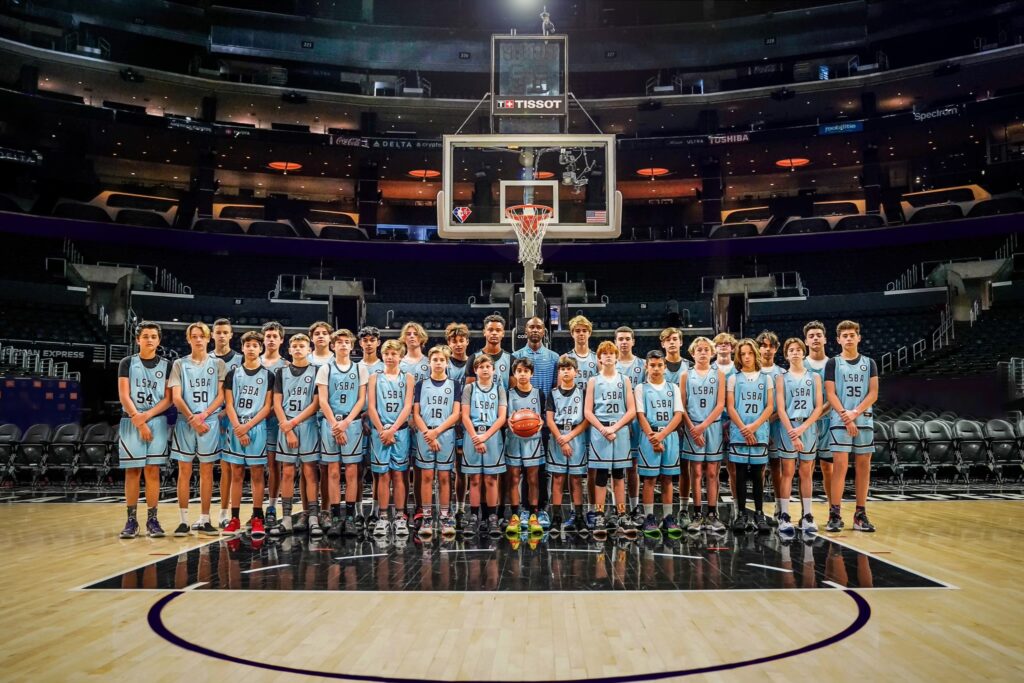
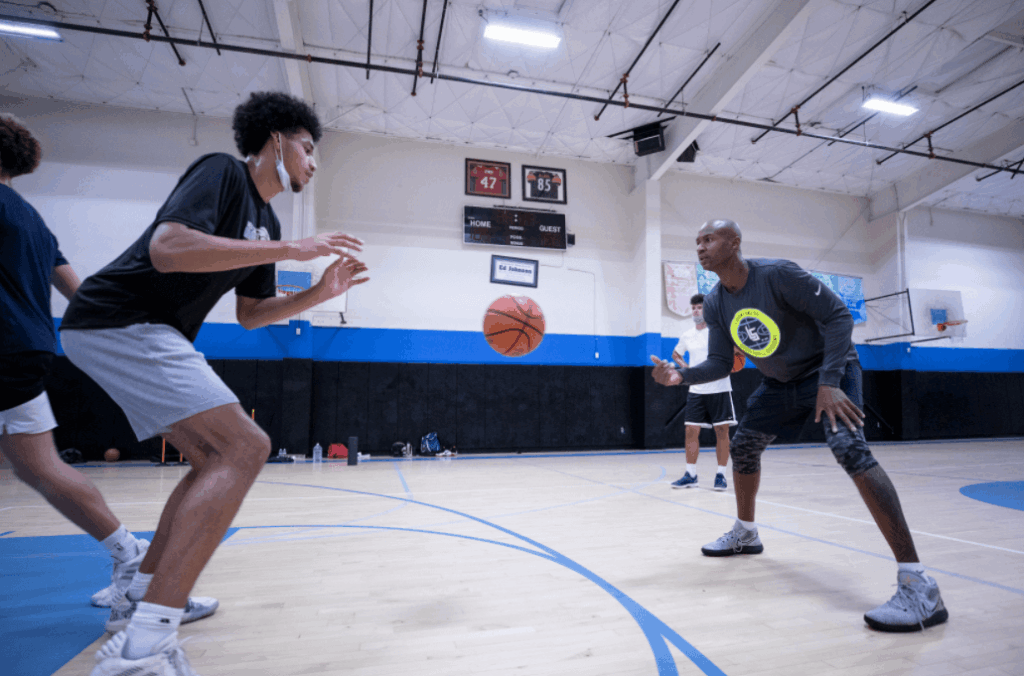
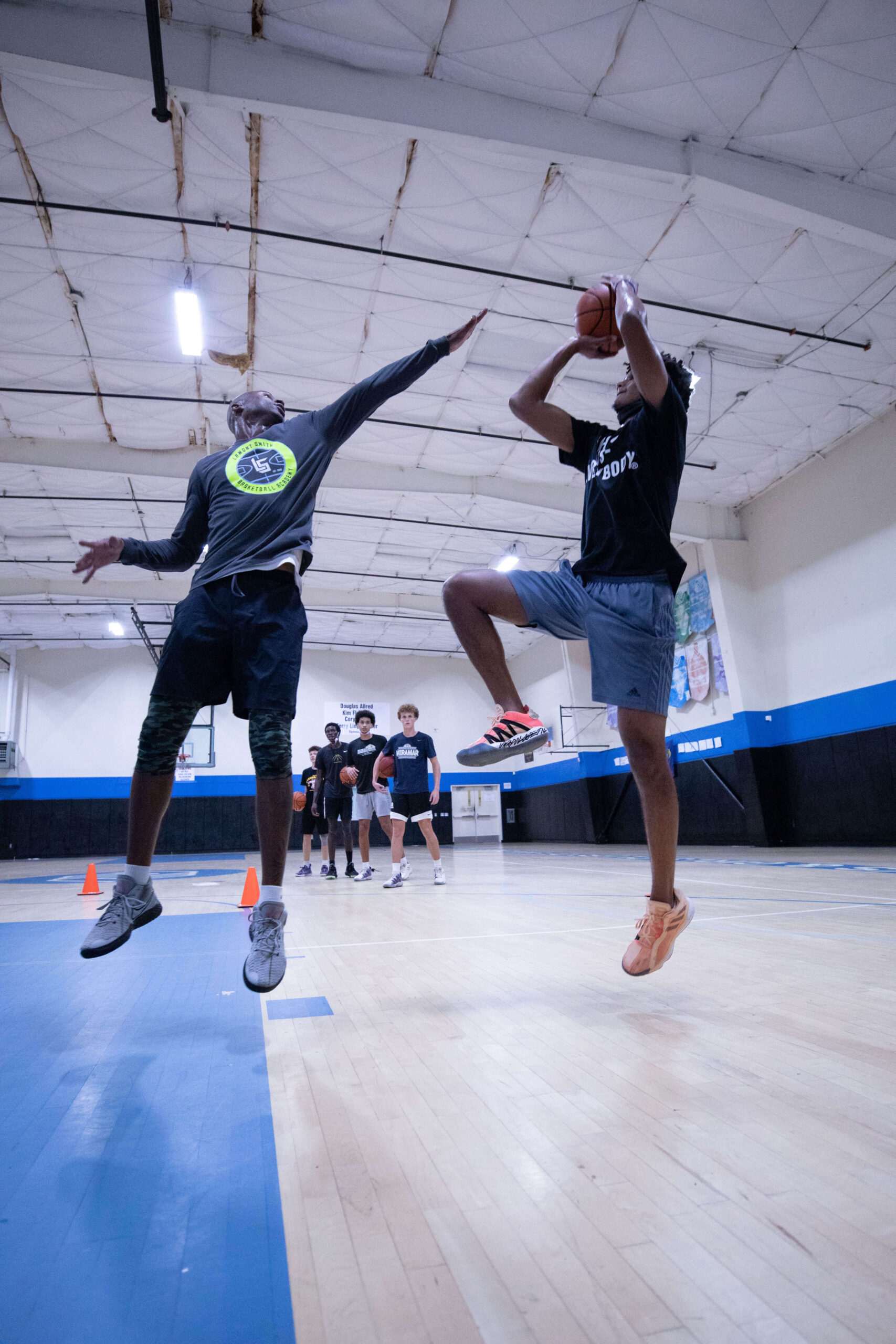
San Diego has never been a one-sport town. Surf culture gets the postcard treatment, and professional teams tend to dominate headlines, but across school gyms, church courts, recreation centers, and private facilities, basketball has built a deep and steady footprint. Club programs sit at the center of that ecosystem. They are not just training grounds for talented players chasing college exposure. At their best, they are community institutions that shape habits, open doors, create local economic activity, and give young people a place to belong.
Anyone who has spent time around youth sports in this region understands how varied San Diego is. A Saturday can start with a game near La Jolla, continue with a skills session in Mira Mesa, and end at a tournament site in Chula Vista or El Cajon. Families cross neighborhood lines constantly. Coaches recruit and mentor across school boundaries. Kids who might never have met in a classroom end up sharing a bench, a van ride, and a season. That matters more than it gets credit for.
When people search for Basketball Club Teams San Diego, they are often looking for practical answers. Which program fits my child. What level of competition makes sense. Is the cost worth it. Those are fair questions, and they deserve clear-eyed answers. But there is a broader story here too. Club basketball in San Diego affects neighborhoods, local businesses, school relationships, family routines, and the social confidence of the players themselves. The impact is not always neat. There are real trade-offs, especially around access and burnout. Still, when these programs are run well, they can do lasting good.
More than a place to play
The simplest way to misunderstand club basketball is to think of it as extra games. In reality, a good club environment offers structure during the hours when many adolescents need it most. Practices fill late afternoons. Weekend tournaments create accountability. Team expectations teach punctuality, communication, and resilience in a way that feels immediate to young athletes. Missing a rotation on defense has a consequence everyone can see. Learning to recover from a bad possession is not abstract. It becomes a skill that carries into school, work, and relationships.
In San Diego, this structure can be especially valuable because the city’s geography naturally fragments communities. Distances are not enormous by big-city standards, but they are enough to separate social circles. A player from North County may have a completely different daily environment from a player in Southeast San Diego or the South Bay. Club teams create repeated contact between those worlds. Not every team becomes a perfect social equalizer, but the opportunity is real. Shared goals tend to break down assumptions quickly. Teammates care about who rotates, who rebounds, who helps after a turnover, and who shows up consistently. Surface-level differences lose importance when trust has to be built possession by possession.
That is one reason longtime coaches often talk about basketball as a vehicle rather than a destination. Most players will not compete in college, and only a tiny number will ever sniff a professional path. Yet the sport still gives them something substantial. It teaches them how to function in a group where performance matters and excuses wear thin. A player can be smart, talented, and athletic, but if he or she cannot listen, adapt, and respond to pressure, the floor exposes it immediately.
A local network that reaches beyond the court
Club teams also create a kind of civic web. Parents get to know one another across schools and neighborhoods. Trainers connect with coaches. Referees become regular faces. Tournament directors build relationships with facility managers, food vendors, and athletic administrators. Over time, that network becomes a meaningful piece of local life.
You can see this most clearly during tournament weekends. Even modest events move people. Families buy meals between games, stop for coffee before an early tip, and fill parking lots near gyms that might otherwise sit quiet on a weekend afternoon. The economic effect is not on the scale of a major convention, but it is consistent and distributed. Restaurants near tournament sites notice it. So do sporting goods stores, print shops making team banners, and local photographers who cover youth events.
Hotels feel the impact when out-of-area teams come in, particularly during larger travel weekends. San Diego’s appeal helps here. For many Southern California and Arizona clubs, a tournament in San Diego is easier to sell to families than one in a less scenic market. That mix of sports and destination travel makes the city a natural host. While exact numbers vary from event to event, anyone who has managed facilities or helped organize tournaments knows the pattern. When courts are full for two or three days, nearby businesses benefit.
There is also a professional pipeline hidden in plain sight. Younger coaches learn from older ones. Former players come back as trainers, assistants, scorekeepers, and mentors. A college athlete home for the summer may run skill sessions for middle school players. A retired high school coach may help with player development or parent communication. In that sense, club basketball supports a small but real labor ecosystem, one built on relationships and reputation.
The role club teams play in youth development
The strongest community impact often shows up in the least glamorous moments. It appears when a player who struggled with confidence starts speaking up in huddles. It appears when a teenager who rarely finished difficult tasks learns to compete through fatigue. It appears when a shy sixth grader becomes a disciplined high school captain because she spent years in environments that demanded accountability.
Basketball is useful for development because it compresses decision-making. Possessions are short. Mistakes are public. Recovery has to be fast. Players learn how to absorb coaching, regulate emotion, and re-engage after failure. Those are life skills dressed in sneakers.
In San Diego, where many families juggle demanding work schedules and long commutes, club teams can also provide a stable adult presence. This does not mean every coach is automatically a positive influence. Far from it. The quality gap between programs is real, and parents should evaluate coaches carefully. But when coaching is responsible, the impact can be profound. Young athletes often hear messages differently from a respected non-parent adult. A coach who consistently reinforces discipline, effort, and composure can help anchor a player during volatile years.
There is a social-development side too. Club teams force interaction beyond existing friend groups. That can be uncomfortable at first, especially for younger players. Yet it mirrors real life better than many school settings do. Players learn to collaborate with people they did not choose, under pressure, while representing something larger than themselves. That is excellent preparation for college classrooms, workplaces, and any environment where teamwork matters.
San Diego’s diversity gives the game its character
One of San Diego’s strengths is its diversity, not just demographically, but geographically and culturally. Basketball reflects that mix. Different neighborhoods have distinct styles, expectations, and histories with the sport. Some programs emphasize toughness and defense. Others lean heavily into skill development and spacing. Some are highly selective and college-oriented. Others exist mainly to give kids a serious but manageable competitive outlet.
That variety is healthy. A city does not benefit from a one-size-fits-all sports model. Some players need elite competition early because they are clearly advanced and deeply committed. Others need room to grow without being treated like a prospect at age eleven. The best basketball communities create multiple entry points, not just one narrow ladder.
Basketball Club Teams San Diego serve that range when the ecosystem is functioning well. A family new to the game should be able to find a developmental program that teaches fundamentals and sportsmanship. A stronger player should be able to find meaningful competition. A late bloomer should still have a pathway. Communities suffer when club basketball becomes too rigid, too status-conscious, or too expensive to access. They thrive when programs recognize that development is uneven and that young athletes mature at different times.
School programs and club programs, sometimes tense, often interconnected
There has always been some friction between school coaches and club coaches. That is not unique to San Diego, and in some ways it is unavoidable. High school coaches may worry about overuse, mixed messaging, or club agendas that prioritize exposure over team concepts. Club coaches may feel that school programs undertrain players or use them in limited roles. Parents often get caught in the middle.
Still, the relationship is more interconnected than people admit. A high school program benefits when players arrive with better ball-handling, shooting mechanics, and game experience. Club teams benefit when school seasons sharpen players in structured systems and expose them to different coaching voices. The healthiest communities find ways for both systems to coexist without constantly trying to claim ownership of the athlete.
San Diego has examples of this balance. Some coaches communicate well across settings. They understand when a player needs rest. They respect each other’s seasons. They separate ego from development. When that happens, the athlete wins and the broader community feels the effect. Better player development raises the level of competition. Higher-level competition attracts attention. That attention can create more opportunities for younger players coming behind them.
The access problem no one should ignore
For all the good club basketball can do, access remains the hardest issue. Fees can be substantial. Uniform packages, travel costs, tournament admissions, training sessions, and shoes add up quickly. Even at moderate levels, a season can strain a family budget. At the higher end, the expense becomes a genuine barrier.
That matters because basketball has historically been one of the more accessible sports. A ball and a hoop can take a kid a long way. Club culture changes that equation. If the most effective development, competition, and visibility all sit behind a paywall, communities lose talent and families get excluded. That is not just unfair to individuals. It weakens the local https://israelxqpw254.inkharbory.com/posts/a-parent-s-guide-to-basketball-club-teams-in-san-diego game.
Responsible programs address this directly. Some offer need-based support, flexible payment plans, fundraising help, or partial scholarships. Others partner with schools, churches, or community centers to reduce facility costs. Those efforts do not solve everything, but they signal that a program understands its role beyond revenue.
The danger comes when clubs market themselves as community builders while quietly serving only families who can absorb rising costs. Parents are often willing to sacrifice a lot for their children, and club programs know that. Ethical leadership means being honest about what fees cover, what opportunities actually exist, and what level of commitment is truly required.
The hidden impact on families
Club basketball changes family life in practical ways. Siblings spend weekends in folding chairs. Parents learn tournament etiquette, snack logistics, and how to pack a full day around game delays. Carpools form. Text threads multiply. Families who barely knew one another become dependable support systems.
That may sound small, but it is a real form of community-building. Shared routines create trust. Parents trade advice on schools, tutors, physical therapists, and jobs. Grandparents show up to watch games and become part of the social fabric around a team. For military families, which remain a significant part of San Diego’s population, sports can provide continuity during relocations and deployments. A team cannot solve those stresses, but it can give a family a stable rhythm and a support network.
There is another side to this, of course. Time demands are heavy. Weekend schedules can crowd out rest, unstructured play, and family downtime. Some households absorb those demands more easily than others. Parents with flexible work can manage late practices and travel. Parents working multiple jobs may not have that option. Community benefit should never be described so broadly that it erases those differences.
Mentorship, identity, and belonging
For many young players, especially in middle school and high school, belonging matters as much as competition. Club teams can give athletes a place where effort earns recognition and identity feels constructive. A teenager who feels anonymous elsewhere may become known as the player who defends every possession, who communicates, who arrives early, who keeps the bench engaged.
That kind of recognition is powerful. It can redirect a kid’s sense of self at exactly the right moment. It can also create mentorship chains that last for years. Older players often become reference points for younger ones, not because they are famous, but because they are visible and attainable. A ninth grader sees a senior balancing school, practice, and leadership, and the path suddenly looks real.
In San Diego, where so many local athletes grow up watching older players move on to college programs within California and beyond, that visibility matters. It turns abstract ambition into something more practical. Not every player needs a scholarship dream to benefit. Sometimes the lesson is simpler and more important. You can commit to something difficult. You can improve. You can represent your family and neighborhood well.
What responsible club leadership looks like
The community impact of any club program depends heavily on how it is led. Good branding and social media mean very little if the environment is chaotic or exploitative. Families should pay attention to boring but revealing details. Does the organization communicate clearly. Are practice schedules stable. Do coaches teach or just shout. Are playing-time expectations explained honestly. Is athlete safety taken seriously.
The best programs tend to share a few habits:
- They develop more players than they advertise.
- They communicate expectations before conflict starts.
- They treat parents as stakeholders, not obstacles.
- They value fundamentals as much as exposure.
- They leave room for kids to remain kids.
That last point deserves emphasis. Youth basketball can get too adult, too early. Rankings, highlight clips, and recruitment talk can distort priorities fast. San Diego has enough serious basketball talent to justify high-level training, but seriousness should not erase perspective. A twelve-year-old does not need a manufactured brand. A fifteen-year-old does not need constant pressure disguised as ambition. A community benefits most when sports deepen character rather than consume it.
Public spaces still matter
For all the attention on private clubs and travel circuits, public courts and local recreation programs remain essential to the health of basketball in San Diego. Club teams draw from those spaces, whether they admit it or not. Many polished players first fell in love with the game at a park, a YMCA, a rec league, or a school blacktop. If those spaces decline, club basketball eventually feels the loss.
This is why community impact should be measured not only by wins or scholarships, but by whether club programs contribute back into the local basketball commons. Do they run affordable clinics. Do they support neighborhood events. Do they create beginner pathways, or only scout polished players. Do they use their success to widen access, or simply to raise prices.
When clubs invest in the broader basketball culture, they help ensure the next generation has somewhere to start. That is a better long-term model for the city than treating every young athlete as a consumer in a competitive marketplace.
A realistic view of outcomes
It helps to be honest about what club basketball can and cannot do. It cannot guarantee a college roster spot. It cannot substitute for stable parenting, good schooling, or healthy peer relationships. It cannot remove every inequity from youth sports. Some programs overpromise. Some families overinvest emotionally. Some athletes burn out.
But within realistic limits, the upside is substantial. Club basketball can give young people disciplined routines, caring mentors, broader social networks, and a healthy outlet for ambition. It can strengthen ties across neighborhoods. It can create economic activity for local businesses and paid opportunities for coaches and trainers. It can help players discover confidence, identity, and purpose at formative ages.
That is why the conversation around Basketball Club Teams San Diego should be bigger than rankings and tournament results. The real measure of impact is not just who wins on Sunday afternoon. It is who grows, who feels connected, who gains access, and who comes back later to help the next group of kids. In the strongest programs, that cycle becomes self-sustaining. The community does not just produce players. It produces mentors, leaders, and citizens who understand what it means to show up for something larger than themselves.
San Diego is well positioned to keep building that kind of basketball culture. The talent is here. The demand is here. The facilities, while uneven, are improving in many pockets. What matters now is how intentionally the ecosystem develops. If club teams keep one eye on competition and the other on community, the city will get far more than better basketball. It will get stronger connections, wider opportunity, and young people shaped by a game that still has a lot to teach.
Lamont Smith Basketball Academy
888 Clairemont Mesa Blvd Suite T-2, San Diego, CA 92123
(619) 639-8778
FAQ About Basketball Club Teams San Diego
How can a player join an LSBA club team?
Players are evaluated during practices so the coaching staff can recommend an appropriate team and development level. Families should contact the academy to confirm current openings and evaluation details.
Are club teams available for newer basketball players?
Yes. LSBA describes multiple levels, including a developmental option for newer players as well as more competitive teams for athletes with prior club experience.
What do LSBA club team practices emphasize?
Practices emphasize basketball fundamentals, team defense, structure, communication, and player development. The specific focus may vary according to the team and experience level.
Do all LSBA teams travel?
Travel expectations vary by level. Some teams focus on local competition, while advanced teams may participate in tournaments elsewhere in Southern California or beyond. Families should confirm the current schedule before enrolling.